LogoLogo

Unlock Healing: Bessel van der Kolk's Must-Read Books for Trauma Recovery

Beyond the Trauma: Unpacking the Mind of Bessel van der Kolk
WinterTypeJun 02, 2025
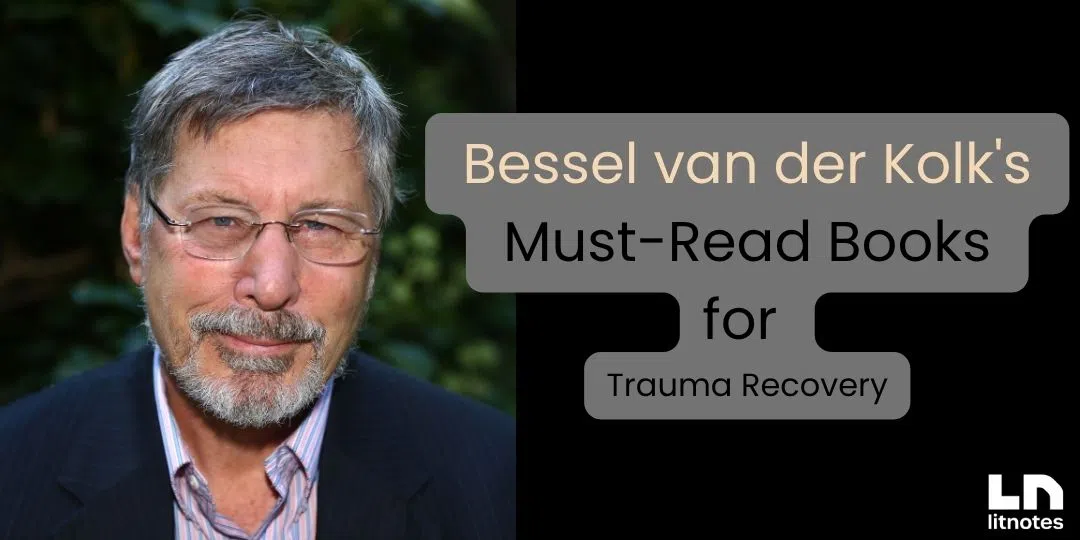
image Unlock Healing Bessel van der Kolks Must-Read Books for Trauma Recovery

Bessel van der Kolk, a Dutch-born psychiatrist, researcher, and educator, has dedicated his life to unraveling the complex tapestry of trauma and its profound effects on human development and well-being. He's the name synonymous with understanding the enduring impact of trauma, the author whose groundbreaking work has reshaped how we view the mind and body's response to overwhelming experiences. From his early days grappling with the limitations of traditional psychiatric approaches to his pioneering research on the neurobiology of trauma, van der Kolk's journey is a testament to his unwavering commitment to helping individuals heal. But who is the man behind the revolutionary ideas? And what insights lie within the pages of his transformative books? Join us as we delve into the life and work of Bessel van der Kolk, and discover the powerful narratives waiting to be explored in his essential contributions to the field.

10 Key Quotes:
“The body keeps the score: if the memory of trauma is encoded in the viscera, in heartbreaking and gut-wrenching sensations, in autoimmune disorders and skeletal/muscular problems, this demands a radical shift in our therapeutic assumptions.”
“Being traumatized means continuing to organize your life as if the trauma were still going on.”
“Trauma results in a fundamental reorganization of the way mind and brain manage perceptions.”
“Healing from trauma involves reconnecting with your body and emotions.”
“We can’t treat trauma without understanding the role of the body.”
“Talking about the past isn’t enough. Trauma lives in the body.”
“Safety and stability are essential for healing.”
“Mindfulness helps people observe their reactions without being overwhelmed.”
“Trauma survivors are experts at surviving, not necessarily at living.”
“Recovery is about creating new pathways in the brain and body.”

What it's about: This groundbreaking book explores how trauma reshapes both body and brain, and how innovative treatments can help trauma survivors recover. It’s a blend of neuroscience, psychology, and real-life cases.

10 Key Quotes:
“Trauma is a universal experience with individual consequences.”
“Understanding trauma involves integrating psychological, biological, and social dimensions.”
“PTSD is a disorder of memory and meaning-making.”
“Stress hormones can alter the structure of the brain over time.”
“Trauma alters the way we remember and react to the world.”
“Survivors often live in a state of chronic hyperarousal or numbness.”
“Children’s exposure to trauma affects their development in lasting ways.”
“Trauma therapy must respect the survivor's pace and boundaries.”
“Effective treatment acknowledges both psychological and physical experiences.”
“Resilience can be learned and restored.”

What it's about: This is a foundational textbook in trauma studies. It outlines the history, biology, and treatment of traumatic stress, combining research and clinical insights.

10 Key Quotes:
“Trauma shatters the illusion of safety.”
“The survivor’s inner world is often one of fragmentation.”
“Memories of trauma are stored in a disorganized and emotional form.”
“Effective treatment must help organize those fragmented experiences.”
“Empathy and validation are core therapeutic tools.”
“Unresolved trauma leads to patterns of re-enactment.”
“Listening is a powerful intervention.”
“Healing starts with naming and understanding one’s experience.”
“Silence around trauma perpetuates suffering.”
“The therapeutic alliance can be a source of profound repair.”

What it's about: A pioneering early work in trauma psychiatry, this book compiles chapters from top researchers on the psychological effects of trauma, PTSD, and abuse.

10 Key Quotes:
“Chronic trauma in childhood affects every aspect of development.”
“Dysregulation is the hallmark of developmental trauma.”
“Behavioral problems often mask unresolved trauma.”
“Children need safe relationships to learn regulation.”
“Diagnosis must reflect lived experience, not just symptoms.”
“Labels like ADHD may miss the root cause in traumatized kids.”
“Attachment disruptions leave lifelong imprints.”
“Healing starts with relationship, not just medication or discipline.”
“Trauma-informed education is critical to recovery.”
“We must treat the whole child—body, brain, and emotions.”

What it's about: Van der Kolk proposed a new diagnosis—Developmental Trauma Disorder—for children who experience chronic abuse and neglect, arguing that existing categories like PTSD don’t fully capture their struggles.

10 Key Quotes:
“We are not thinking beings who feel—we are feeling beings who think.”
“Yoga and breathwork can help reconnect trauma survivors to their bodies.”
“Talk therapy is not enough when trauma is pre-verbal or body-based.”
“The brain’s default mode network is disrupted in trauma.”
“Play and movement are vital to healing in children.”
“Neurofeedback can calm the fear circuits of the brain.”
“Healing is not about erasing trauma, but integrating it.”
“Somatic experiencing helps resolve frozen trauma responses.”
“Therapy must help people feel safe in their bodies again.”
“Creative expression—art, dance, music—restores agency and voice.”

What it's about: This collection draws from van der Kolk’s many public lectures and interviews. It emphasizes somatic therapies, EMDR, yoga, neurofeedback, and body-based healing strategies.

Conclusion

In conclusion, delving into the life and work of Bessel van der Kolk reveals a profound understanding of trauma's pervasive reach and the pathways to healing. His contributions, beautifully articulated in his transformative books, offer vital insights for anyone grappling with the legacy of overwhelming experiences. To rapidly access and synthesize these essential narratives, consider utilizing the LitNotes AI app, your gateway to fast reading and comprehensive book summaries.